
“Yogas chitta vritti nirodhah”- “Yoga is the calming or cessation of the fluctuations of the mind.”
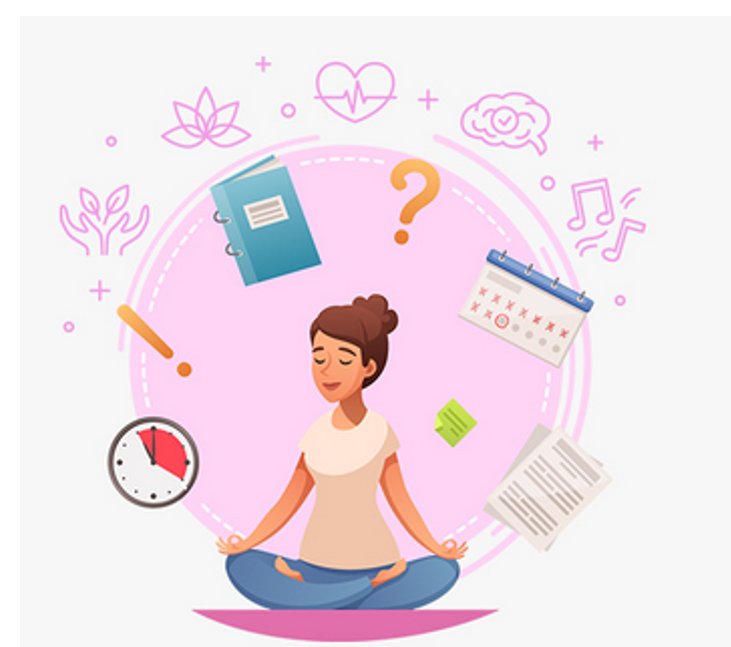
Introduction
Stress can be defined as a state of worry or mental tension caused by a difficult situation. It is a natural human response that prompts us to address challenges in our lives. These responses may be physical, emotional, or psychological reactions to demands and pressures that we experience from time to time.
Everyone has different triggers for stress. Common causes include:
- Financial worries
- Employment or academic pressures
- Personal relationship conflicts and abuse
- Major life transitions, such as the loss of a loved one
- Health concerns and chronic illnesses
- Daily responsibilities and busy schedules
- Negative thoughts and internal perceptions
Stress affects both the mind and the body. A moderate amount of stress can be beneficial and help us perform daily activities effectively. However, excessive stress can lead to physical and mental health problems. Each individual responds differently to stressful situations.
Signs and Symptoms of Stress
Stress can produce a range of emotional and physical symptoms, including:
- Anxiety and irritability
- Difficulty concentrating
- Headaches and body aches
- Upset stomach
- Reduced appetite or overeating
- Sleep disturbances and insomnia
- Fatigue and low energy
Chronic stress can worsen existing health conditions and may increase the use of alcohol, tobacco, or other substances as coping mechanisms.
Long-term stress is also associated with mental health conditions such as anxiety and depression, which may require professional healthcare support. When stress symptoms become persistent, they can affect daily functioning at work, school, college, and home, thereby reducing overall quality of life.
Healthy Ways to Cope with Stress
Managing stress involves adopting healthy lifestyle practices and identifying the factors that trigger stress. Small positive changes in daily life can have a significant impact on overall well-being.
One of the most effective methods of stress management is the practice of Yoga.
Yoga strengthens and increases the flexibility of the body while improving the functioning of the respiratory, circulatory, digestive, and endocrine systems. It promotes emotional stability, mental clarity, and a sense of inner calm.
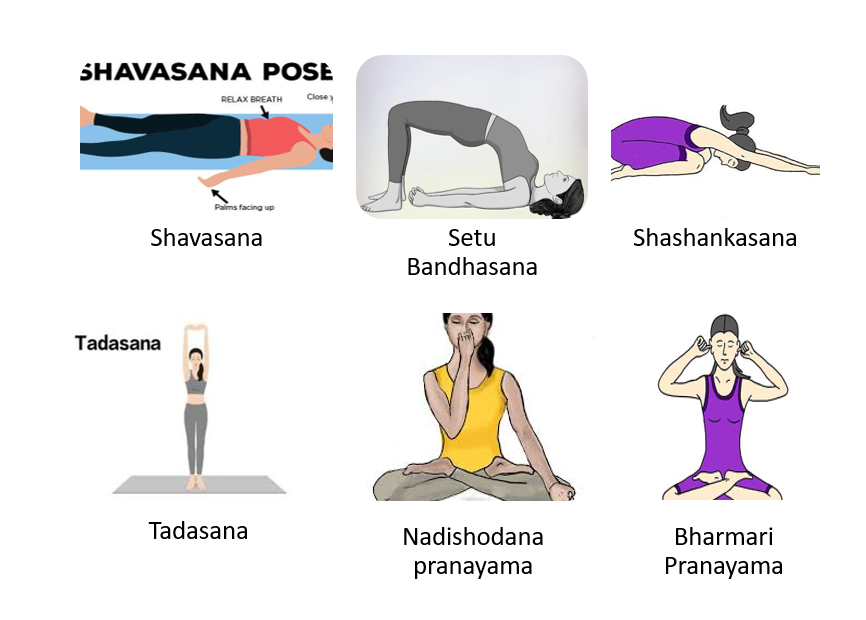
Yogic Techniques for Stress Management
1. Physical Movements (Sukshma Vyayama)
Gentle loosening exercises help release muscular tension and prepare the body for further yogic practices.
2. Asanas (Yoga Postures)
Recommended postures include:
- Shavasana (Corpse Pose)
- Setu Bandhasana (Bridge Pose)
- Shashankasana
- Tadasana (Mountain Pose)
These postures help relax the body, reduce muscle tension, and calm the nervous system.
3. Pranayama (Breathing Techniques)
- Nadi Shodhana (Alternate Nostril Breathing)
- Bhramari Pranayama (Humming Bee Breathing)
These breathing techniques help balance the nervous system, reduce anxiety, and improve mental focus.
4. Meditation
Regular meditation promotes mindfulness, emotional balance, and mental relaxation. It helps individuals develop better control over their responses to stressful situations.
Benefits of Yoga in Stress Management
Regular yoga practice offers several benefits, including:
- Helps maintain calmness during stressful situations
- Relieves physical tension and fatigue
- Reduces mental worries and overthinking
- Improves sleep quality
- Decreases anxiety levels
- Enhances emotional, social, and spiritual well-being
- Improves concentration and mental clarity
- Promotes positive behavioural changes
- Encourages healthy responses to stress
Yoga has long-term benefits for mental health and plays an important role in reducing anxiety and improving resilience to life’s challenges.
Conclusion
Effective stress management requires a combination of healthy lifestyle habits and a structured daily routine. Regular practice of yoga, including asanas, pranayama, and meditation, can significantly reduce stress and improve overall well-being.
In addition to yogic practices, maintaining a balanced diet, adequate sleep, regular physical activity, and positive social connections are essential for achieving optimal physical and mental health.
By incorporating yoga into daily life, individuals can develop greater self-awareness, emotional balance, and the ability to cope effectively with stress.