In the fast-paced world we live in, stress, unhealthy diets, and environmental toxins can take a toll on our health, leaving us feeling fatigued, unbalanced, and disconnected from our bodies. While modern medicine offers a wide array of treatments for specific ailments, ancient healing traditions like Ayurveda propose a more holistic approach to health. At the heart of this ancient science lies Panchakarma—a profound and transformative detoxification and rejuvenation therapy.
What is Panchakarma?
Panchakarma, which literally translates to “five actions,” is a set of five therapeutic procedures designed to cleanse the body of toxins (ama) and restore the balance of the three doshas—Vata, Pitta, and Kapha. According to Ayurveda, an imbalance in these doshas is the root cause of all diseases. Panchakarma aims to eliminate the accumulated toxins from the body’s deep tissues and channels, thereby promoting health, vitality, and longevity.
The Five Therapeutic Actions
While the specific treatments are tailored to an individual’s unique constitution and health concerns, the five core procedures of Panchakarma are:
- Vamana (Therapeutic Emesis): This procedure is primarily used to eliminate excess Kapha dosha from the body, which can manifest as conditions like asthma, allergies, and chronic indigestion. It involves a controlled, therapeutic vomiting process after a period of internal and external oleation.
- Virechana (Therapeutic Purgation): This therapy is aimed at cleansing the body of excess Pitta dosha. It involves the use of herbal purgatives to cleanse the small intestine, liver, and gallbladder. Virechana is highly effective for conditions such as skin diseases, hyperacidity, and liver disorders.
- Basti (Herbal Enema): Often considered the most important of the five procedures, Basti is used to pacify the Vata dosha, which governs all movement in the body. Medicated oils or herbal decoctions are administered through the rectum, targeting the colon and nervous system. It is beneficial for a wide range of conditions, including chronic constipation, neurological disorders, and arthritis.
- Nasya (Nasal Administration): This procedure involves the administration of medicated oils or herbal powders through the nasal passages. Nasya is highly effective for conditions related to the head and neck, such as chronic sinusitis, migraines, and hair loss. It helps to clear the respiratory channels and improve sensory perception.
- Raktamokshana (Bloodletting): This is a specialized procedure used to purify the blood and treat conditions caused by impure blood (Rakta Dhatu). It is not a common practice and is only performed by expert practitioners for specific conditions like skin infections, abscesses, and certain inflammatory diseases.
The Panchakarma Process: A Three-Stage Journey
Panchakarma is not a one-day affair. It is a carefully orchestrated process that unfolds in three distinct stages:
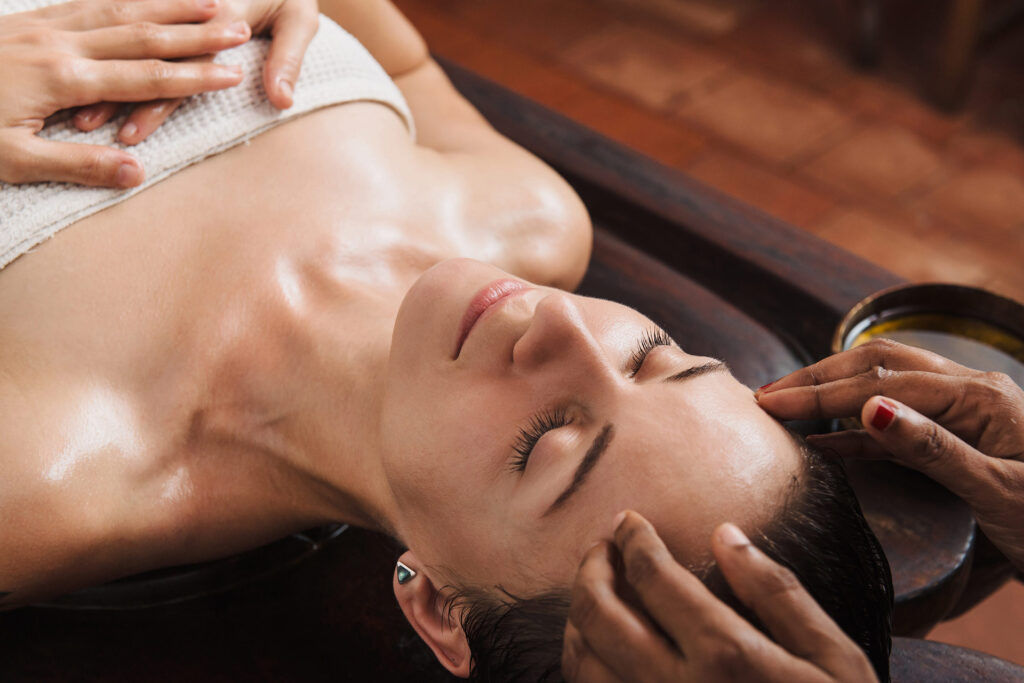
- Poorva Karma (Preparatory Procedures): This stage is crucial for preparing the body for detoxification. It includes a series of therapies like Snehan (internal and external oleation with medicated oils) and Swedan (herbal steam therapy). These therapies help to loosen and mobilize the toxins from the deeper tissues and bring them to the gastrointestinal tract, from where they can be easily eliminated.
- Pradhana Karma (Main Procedures): This is the core stage where the five therapeutic actions (Vamana, Virechana, etc.) are performed. The choice of procedure is based on the individual’s needs and the recommendation of an Ayurvedic physician.
- Paschat Karma (Post-Therapy Procedures): After the main cleansing procedures, the body is in a state of heightened sensitivity. This stage focuses on restoring the digestive fire (Agni) and rejuvenating the body. It involves a specific dietary regimen, lifestyle recommendations, and the use of rejuvenating herbs (Rasayanas) to rebuild strength and vitality.
Who Can Benefit from Panchakarma?
Panchakarma is not just for the sick; it is a powerful preventative therapy for anyone seeking to maintain optimal health and well-being. It can be particularly beneficial for individuals suffering from chronic diseases, those who feel sluggish or stressed, and anyone looking for a deep cellular cleanse.
A Word of Caution
Panchakarma is a powerful medical therapy and should only be performed under the supervision of a qualified and experienced Ayurvedic physician. A thorough consultation is essential to determine the right course of treatment, as an improperly administered Panchakarma can be harmful.
In conclusion, Panchakarma is more than just a spa treatment; it is a profound journey of self-discovery and healing. By addressing the root cause of disease and restoring the body’s innate balance, it offers a pathway to a life of vibrant health, harmony, and well-being.